The climate has changed naturally throughout the Earth’s history but natural causes cannot explain the particularly rapid warming seen over the last century.
This has been caused by human activities, in particular the widespread use of fossil fuels (coal, oil and gas) in homes, factories and transport systems.
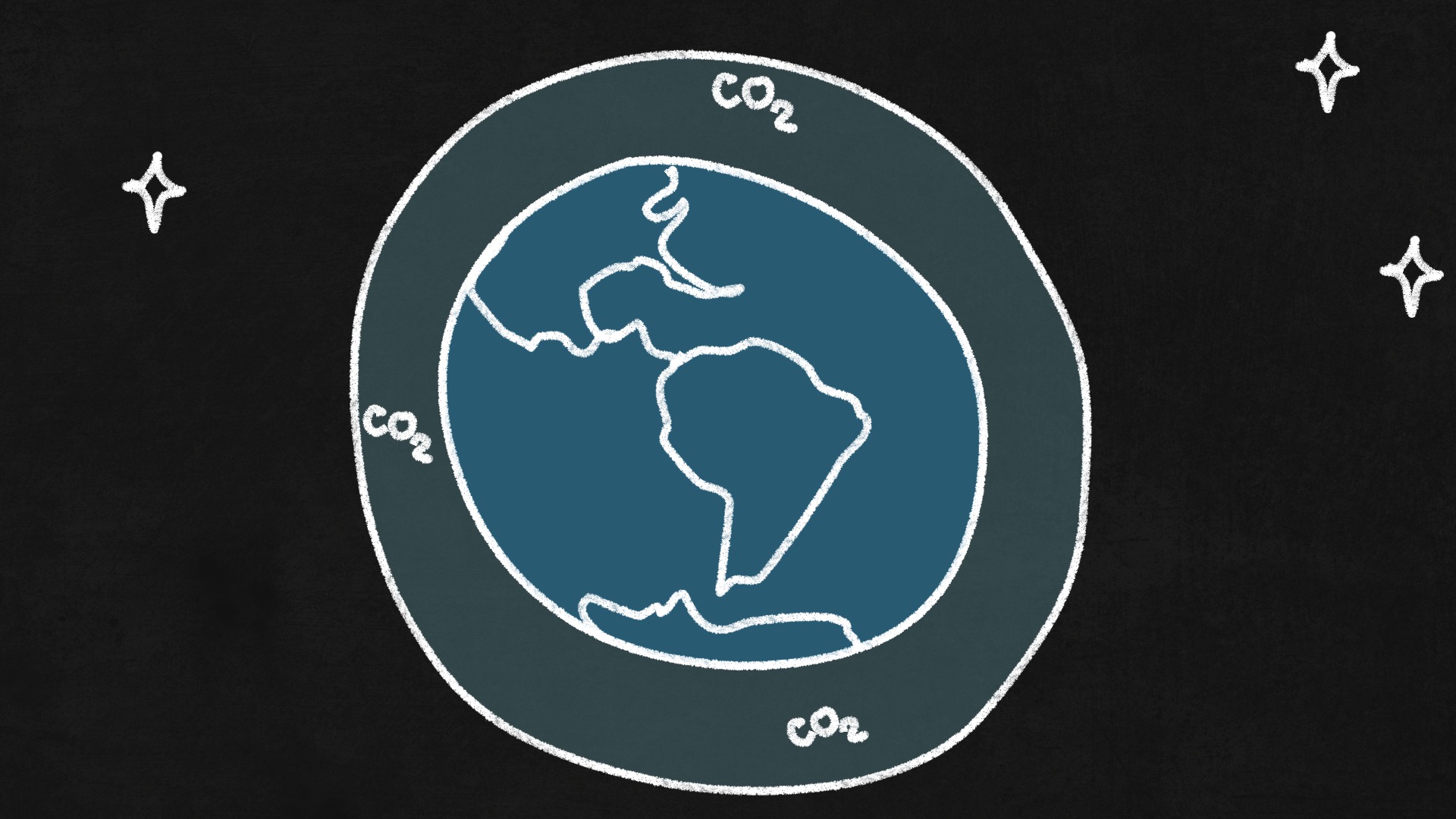
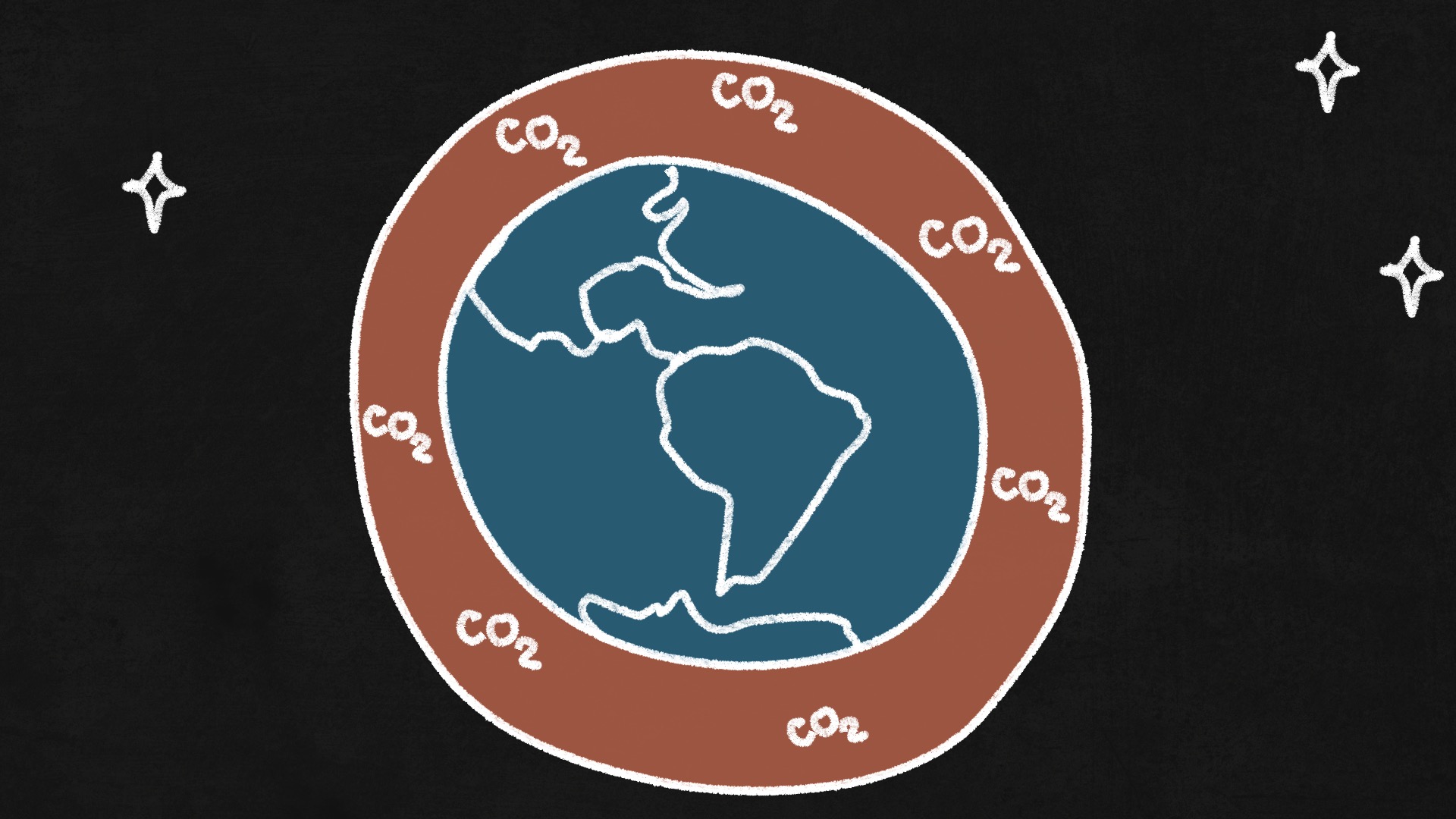
When fossil fuels burn, they release greenhouse gases – mostly carbon dioxide (CO2). This CO2 acts like a blanket, trapping extra energy in the atmosphere near the Earth’s surface. This causes the planet to heat up.
Since the beginning of the Industrial Revolution – when humans started burning large amounts of fossil fuels – the amount of CO2 in the atmosphere has risen by about 50% – far above levels seen in the Earth’s recent history.
Deep History of Climate Change
CO2 levels on earth are currently at above 400 parts per million. The last time it was at this level was between 4.1 and 4.5 million years ago. This era is called the Pliocene Climatic Optimum,
During that time, sea levels were between 5 and 25 meters higher than today enough to drown many of the world’s largest modern cities. Modern humans had not yet evolved and temperatures averaged over 4 degrees higher than today.
The Pliocene Climatic Optimum
It took a few hundred thousand years for temperatures to naturally drop after this extremely warm epoch which happened over 4 million years ago.
Our world’s ecosystems and human systems cannot deal with the sudden and intense temperature change we are currently experiencing due to human induced gloabal heating.
What are the effects of the climate change ?
Hotter temperatures – more wildfires and heat related illness. Artic temperatures have warmed at least twice as fast as global average
More severe storms – more destructive and more frequent cyclones, hurricanes and typhoons.
Increased drought – Many people now face the threat of not having enough water on a regular basis. Droughts are increasingly affecting crops and ecosystems. Deserts are expanding.
A warming, rising ocean – threatening coastal and island communities. The ocean is also becoming more acidic and this endangers marine life and coral reefs.
Loss of species – Exacerbated by climate change, the world is losing species at a rate 1,000 times greater than at any other time in recorded human history. One million species are at risk of becoming extinct within the next few decades. Forest fires, extreme weather, and invasive pests and diseases are among many threats related to climate change. Some species will be able to relocate and survive, but others will not.
Not enough food – Changes in the climate and increases in extreme weather events are among the reasons behind a global rise in hunger and poor nutrition. Fisheries, crops, and livestock may be destroyed or become less productive.
More health risks – Every year, environmental factors take the lives of around 13 million people. Changing weather patterns are expanding diseases, and extreme weather events increase deaths and make it difficult for health care systems to keep up.
Poverty and displacement – Over the past decade (2010–2019), weather-related events displaced an estimated 23.1 million people on average each year, leaving many more vulnerable to poverty. Most refugees come from countries that are most vulnerable and least ready to adapt to the impacts of climate change.
 KEEP OUR SEA CHEMICAL FREE